

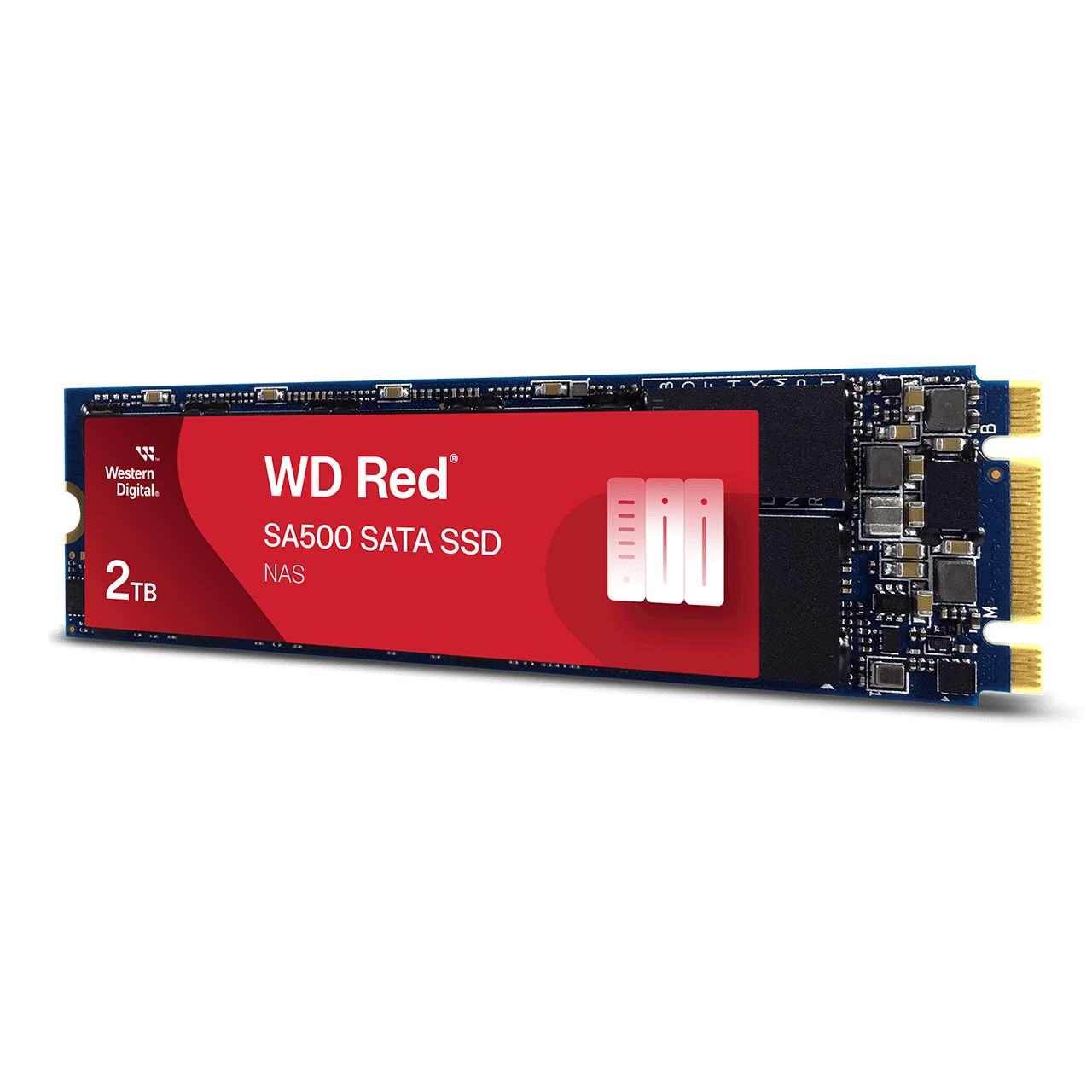
With the rise of high-resolution multimedia and increasingly complex software, storage devices play a crucial role in overall system performance. While traditional hard drives (HDDs) offer large capacity, they often fall short in speed, stability, and responsiveness needed for modern applications. In contrast, SSDs boast a non-mechanical design, blazing-fast read/write speeds, shock resistance, and exceptional durability. Whether upgrading a laptop, desktop, or workstation, an SSD can deliver a significant performance boost. This article dives deep into the real benefits of SSDs and offers tailored buying advice for different use cases.
What is SSD? What are its core differences with traditional hard drives (HDD)?
An SSD (Solid State Drive) is a storage device that uses NAND flash memory to access data electronically, eliminating the need for spinning disks and moving read/write arms found in traditional hard drives. This allows SSDs to perform read/write tasks with ultra-low latency. Compared to HDDs, which rely on mechanical parts, SSDs offer significant advantages in speed, durability, and power efficiency, making them the top choice for modern computer storage.
SSD in laptop computers: The winning weapon for data storage
Laptops focus on being lightweight, energy-saving and speed, therefore, the features of SSD make it particularly suitable for laptop applications.
Performance increase: Accelerate the system and daily applications
The high-speed read and write speeds of SSDs dramatically cut boot times and speed up program loading. For example, SATA SSDs reach speeds around 550 MB/s, about five times faster than traditional HDDs, while PCIe Gen4 M.2 SSDs using the NVMe protocol can hit several thousand MB/s. For mobile professionals who need to work, present, or multitask on the go, upgrading to an SSD is a game-changer for laptop performance.
Desktop PCs: A win-win solution that improves both speed and capacity
Desktop computers offer greater expandability, and is suitable for the advantage of combining SSD and HDD to realize high-performance and economic storage solutions.
NVMe SSD improves gaming and multimedia performances
PCIe SSDs with NVMe technology deliver blazing read/write speeds exceeding 5,000 MB/s, making them perfect for high-performance tasks like AAA gaming, 4K/8K video editing, and RAW content processing. These demanding applications rely heavily on fast data access, and SSDs dramatically cut loading and rendering times, boosting your overall creative efficiency.
Mixed storage strategy with SSD and HDD
If you’re on a budget or need lots of storage, a hybrid setup, using an SSD for your system drive and an HDD for data storage, is a smart solution. Installing your operating system on the SSD boosts boot and system speeds, while the HDD offers cost-effective, high-capacity space for your files. This approach is ideal for desktop users seeking a balance between performance and storage capacity.
SSD in workstations: Performance revolution in the professional field
For professional scenarios that require stability and high-speed performance, SSD is an indispensable storage core.
Data-intensive applications accelerate workflows
Workstations are built for demanding tasks like 3D modeling, video editing, and AI training, applications that require blazing-fast storage speeds. Real-world tests show that editing video with Adobe Premiere on traditional hard drives can take 20 minutes or more longer than on an SSD. NVMe SSDs offer bandwidths 30 times faster or more, dramatically speeding up workflows and boosting overall delivery efficiency.
RAID configuration improves performance and reliability
In corporate workstations, multiple SSDs are often configured in RAID arrays to boost both performance and fault tolerance. RAID 0 enhances speed, RAID 1 offers data mirroring for protection, while RAID 5 and 10 combine the best of both worlds. These setups are ideal for handling heavy workloads like large CAD projects, video post-processing, and data science computations, making them the go-to solution for enterprises and creative professionals.
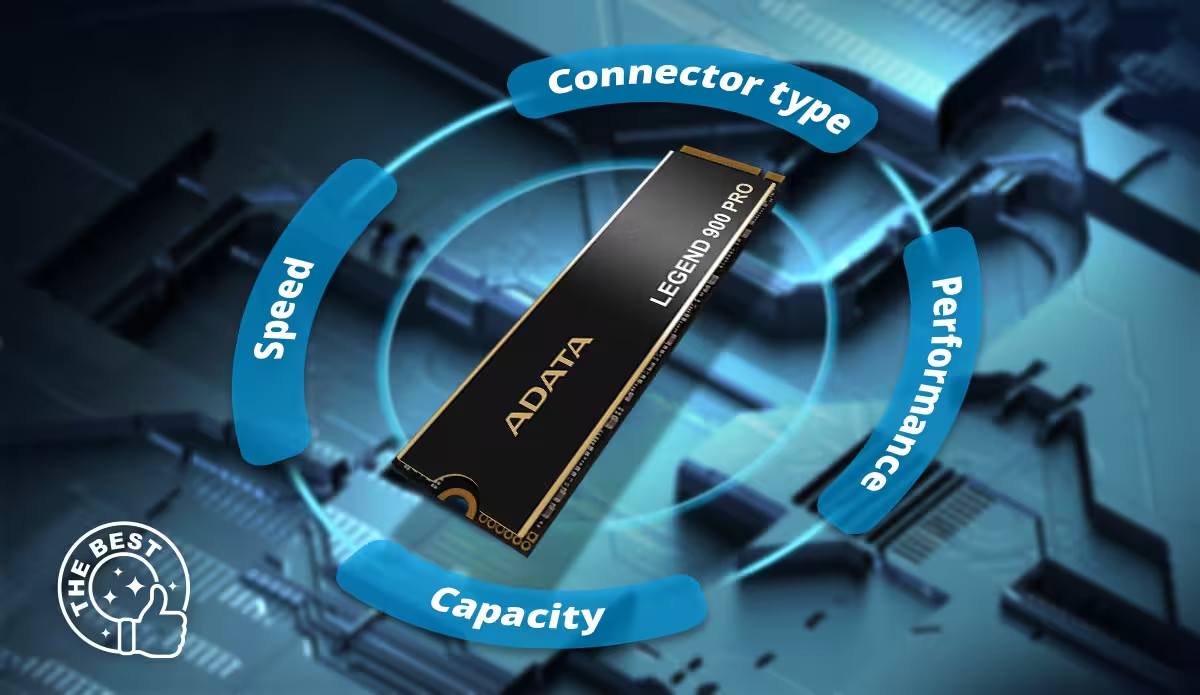
Different types of SSDs
When people compare SSD types, they often mix up interface, protocol, and form factor. In simple terms, SATA and PCIe are connection interfaces, NVMe is the protocol designed for flash storage, and M.2 is a physical form factor rather than a speed standard by itself. That is why an M.2 SSD can be either SATA-based or NVMe-based, and its SSD speed can vary greatly.
SATA SSD
A SATA SSD is one of the most common and widely used types of SSDs. It uses the SATA interface, which is also commonly found in traditional hard drives, making it a practical upgrade option for many existing laptops and desktop computers. Although its performance ceiling is lower than newer PCIe-based solutions, it still delivers a major improvement over HDDs in boot speed, file access, and application loading. For users looking for a straightforward and cost-effective storage upgrade, SATA SSDs remain a reliable choice.
PCIe SSD
A PCIe SSD uses the PCI Express interface to transfer data, allowing it to offer much higher bandwidth than SATA-based drives. This type of SSD is designed for users who need stronger storage performance and faster system responsiveness. In desktop PCs and high-performance laptops, PCIe SSDs are especially beneficial for tasks that involve large file transfers, intensive software usage, or frequent multitasking. For users who place a strong emphasis on SSD speed, PCIe SSDs represent a significant step forward.
NVMe SSD
An NVMe SSD is an SSD that uses the NVMe protocol, which is specifically designed for flash-based storage. Compared with older storage communication methods, NVMe allows data to be handled with lower latency and far greater efficiency. This results in substantially faster read and write performance, especially in demanding environments. NVMe SSDs are particularly suitable for advanced gaming, multimedia editing, RAW content processing, and professional workloads that require rapid access to large amounts of data.
M.2 SSD
M.2 refers to the physical form factor of the SSD rather than the speed standard itself. M.2 SSDs are smaller and more compact, making them especially common in modern laptops, mini PCs, and desktop motherboards with space-saving designs. However, it is important to note that M.2 SSDs are not all the same in performance. Some M.2 drives use the SATA interface, while others support PCIe and NVMe. This means that two SSDs with the same M.2 shape may offer very different levels of SSD speed and overall performance.
SSD purchase guide
When purchasing SSD, you should make the correct decision according to the conditions of the equipment and the actual usage requirements.
Hardware compatibility: The dimensions, interfaces and protocols need to be confirmed
Common sizes include 2.5-inch and M.2; the former mostly uses the SATA interface and the latter supports PCIe and NVMe. You need to confirm whether your motherboard supports the PCIe channel and NVMe protocol to use M.2 SSD in order to unleash full performance.
Balancing performance and capacity
If speed is your priority, whether for demanding games, video editing, or engineering tasks, PCIe Gen4 NVMe SSDs are your best bet. But if you need more storage space for file archives or photo libraries, high-capacity SATA SSDs offer a cost-effective solution.
Capacity selection suggestions
For word processing, 256GB to 512GB of storage is sufficient, while gamers and creative professionals should aim for 1TB or more. If you’re handling terabyte-level data operations, reserving at least 2TB helps prevent capacity bottlenecks and keeps performance smooth.
Brand and after-sales support
Your SSD is the heart of your data, so choosing a brand with comprehensive warranty and software support is essential. We offer a wide range of SSDs (solid state drives) tailored for various needs, all backed by free SSD Toolbox software for health monitoring, diagnostics, and data backup, ensuring your data stays secure and your system runs smoothly.
FAQs
How does an SSD work?
An SSD stores data in NAND flash memory and accesses it electronically, without the spinning platters or moving read/write arms used in traditional hard drives. Because there are no mechanical parts, SSDs can handle read and write tasks with very low latency, giving users much faster boot times, quicker file access, and smoother overall system responsiveness.
What are the advantages of using SSDs?
SSDs offer major advantages in speed, durability, stability, and power efficiency. They boot systems faster, load applications more quickly, and improve responsiveness in daily tasks. Their non-mechanical design also makes them more shock-resistant and reliable than HDDs, which is especially valuable for laptops, workstations, and performance-focused desktop setups.
What are the differences between SSDs and HDDs?
The main difference is how they store and access data. HDDs rely on spinning disks and mechanical read/write arms, while SSDs use NAND flash memory and electronic data access. As a result, SSDs are much faster, quieter, more durable, and more power-efficient, while HDDs are typically chosen for larger-capacity, lower-cost storage.
Is SSD better than HDD?
In many modern use cases, SSDs are the better choice because they deliver faster speeds, lower latency, stronger durability, and better power efficiency. They are especially useful for laptops, gaming desktops, and professional workstations. However, HDDs still have value when you need large-capacity storage at a lower cost.
What is an SSD used for?
An SSD is used to store operating systems, software, files, and project data while improving access speed and overall system performance. It is commonly used in laptops, desktops, and workstations for faster booting, quicker application loading, smoother gaming, and more efficient handling of demanding tasks like video editing, 3D work, and AI-related processing.
Is an SSD a hard drive?
An SSD is a storage drive, but it is not a traditional hard drive in the mechanical sense. Unlike HDDs, SSDs do not use spinning disks or moving parts. Instead, they use flash memory to store and retrieve data electronically, which is why they offer much faster performance and better durability.
How to choose the right SSD?
Choose an SSD based on your device compatibility and your actual needs. First, confirm the form factor, such as 2.5-inch or M.2, and check whether your system supports SATA or PCIe NVMe. Then balance speed and capacity: 256GB to 512GB suits basic tasks, while gaming and creative work often need 1TB or more.
How do I upgrade my SSD?
To upgrade your SSD, first confirm your device’s supported size, interface, and protocol, such as 2.5-inch SATA or M.2 PCIe NVMe. Then choose a capacity that fits your workload. Replacing or adding an SSD can significantly improve boot speed, application loading, and overall responsiveness in laptops, desktops, and workstations.
Find the Best SSDs Only at ADATA
Choosing the right SSD means choosing faster boot times, smoother multitasking, quicker file access, and more reliable everyday performance. Whether you are upgrading a laptop, building a desktop, or optimizing a workstation, the right storage solution can make a noticeable difference in speed and efficiency.
.
Stay tuned for our upcoming blog posts, where we’ll deep dive into specific aspects of the future of electronics, showcasing the latest developments, trends, and possibilities. Together, let’s unravel the potential of tomorrow’s technology and embrace the transformative power it holds for our future.