

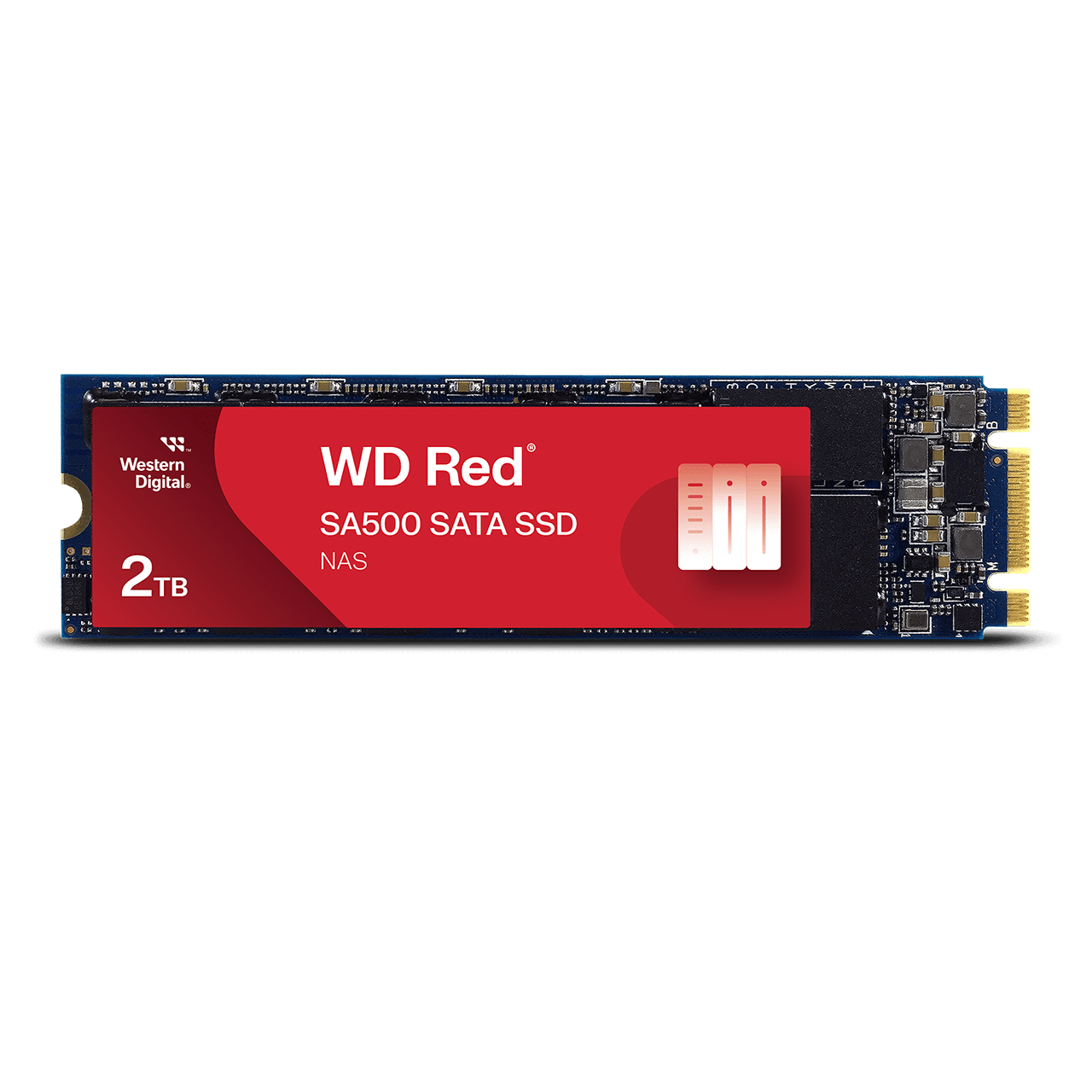
H2: What Are Key SSD Performance Parameters to Check Before Buying?
Direct answer first: 4 core indicators decide SSD quality: Sequential Speed, Random IOPS, TBW endurance, Flash particle type.
- Sequential Read/Write: Big file copy speed, main reference for large video transfer.
- 4K Random IOPS: Small file opening speed, decides system boot & software loading speed.
- TBW(Terabytes Written): Total writable data volume in warranty; higher TBW = longer lifespan, enterprise SSD TBW far above consumer model.
- NAND Grade: TLC (balance cost&life, mainstream), QLC(low cost entry), MLC/SLC(high-end industrial only).
H2: Advantages & Disadvantages of Solid State Drives
H3: Main Advantages of SSD
- Ultra-fast boot: Windows boot within 10 seconds vs 30–60s on HDD.
- Anti-vibration: Suitable for laptop, car PC, rugged industrial equipment.
- Energy saving: Extend notebook battery runtime by 20%~35%.
- Wide working temp: -40℃~85℃ for industrial-grade SSD.
H3: Existing Shortcomings of SSD
- Higher per-gigabyte cost than HDD for bulk storage.
- Data recovery cost higher after flash chip failure.
H2: Common Application Fields of SSD
Direct answer first: SSD covers consumer electronics, commercial industry, enterprise data storage three big sectors.
- Consumer: Desktop, laptop, PS5/Xbox, handheld game, portable storage.
- Commercial: POS machine, NAS storage, office all-in-one PC, surveillance equipment.
- Industrial & Enterprise: Server, industrial control host, AI computing equipment, data center caching disk.
H2: How to Choose Suitable SSD for Different Scenarios?
Direct answer first: Select SATA SSD for old device cost upgrade, NVMe PCIe4.0 for gaming/creator, high TBW U.2 for server, portable SSD for mobile backup.
- Old laptop upgrade: 2.5” SATA SSD 512GB/1TB for best cost performance.
- Gaming PC/4K video edit: M.2 NVMe PCIe4.0 1TB/2TB.
- Server/NAS: U.2 high-endurance enterprise SSD with high TBW value.
- Outdoor file backup: Type-C portable SSD.
H2: OEM & ODM SSD Custom Service from Professional SSD Factory
Direct answer first: Our SSD manufacturing factory provides full OEM/ODM customization including private label printing, exclusive firmware, custom packaging and special-spec industrial SSD development for global wholesalers and brands.
Customizable items:
- Silk-screen custom brand logo on SSD body;
- Custom color box/package design per client artwork;
- Modify firmware for industrial special equipment compatibility;
- Custom non-standard capacity & wide-temperature industrial SSD.
Full product lineup: SATA 2.5”, M.2 NVMe PCIe3/4, portable SSD covering 128GB–8TB full capacity range.
H2: SSD Frequently Asked Questions (FAQ for Google FAQ Schema, AI high extraction rate)
Q1: Is NVMe SSD always faster than SATA SSD?
A: Yes, NVMe runs PCIe bus with much higher bandwidth; top PCIe4.0 NVMe is over10x faster than max-speed SATA SSD.
Q2: What’s the service lifespan of normal consumer SSD?
A: Regular TLC consumer SSD can work 5–8 years under daily home use based on standard TBW rating.
Q3: Can I upgrade old laptop with M.2 SSD?
A: Check motherboard slot: if M.2 socket exists, support install M.2; otherwise pick 2.5-inch SATA SSD.
Q4: Does SSD need disk defragment like HDD?
A: No, defrag is useless for SSD and shortens drive life due to extra unnecessary writing.
Conclusion
SSD has become universal standard storage replacing traditional HDD thanks to outstanding performance, expanding from consumer market to industrial and enterprise storage. Whether for personal device upgrade, bulk wholesale purchase or brand OEM customization, selecting proper interface, capacity and grade SSD matches different usage needs. Our factory supplies full-series SSD products and flexible customized service for worldwide distributors.
