

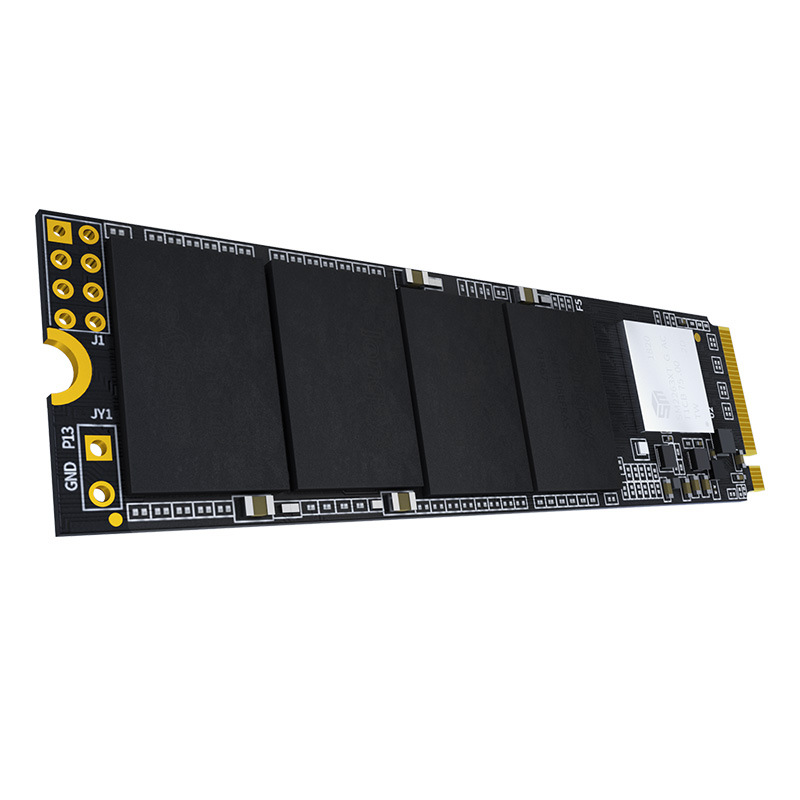
What Is an SSD?
A Solid State Drive (SSD) is a modern data storage device that uses flash memory to store information electronically. Unlike traditional Hard Disk Drives (HDDs), SSDs have no moving parts, making them significantly faster, quieter, more reliable, and more energy-efficient.
Today, SSDs power everything from personal computers and gaming systems to enterprise servers, AI infrastructure, cloud computing platforms, and data centers worldwide.
How Does an SSD Work?
An SSD stores data using NAND flash memory chips. Information is written, erased, and accessed electronically through integrated circuits rather than mechanical spinning disks.
A typical SSD consists of:
- NAND Flash Memory
- SSD Controller
- DRAM Cache (optional)
- Firmware
- Power Management Components
When a user saves a file, the SSD controller manages how data is stored across memory cells, ensuring high performance and longevity.
